

India’s Health Sector in 2036: Older, Wealthier, and Still Paying Out of Pocket?
India’s health system in 2036 will serve 230 million seniors on a spending base that still lags targets. Here is what the data says is coming.
PUBLIC POLICES
10/31/20262 min read

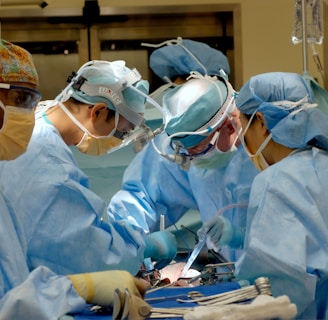
Ten years from now, India’s health system will look very different, and the biggest reason is not a new hospital or a new scheme. It is who we are by then.
Public money for health has grown, slowly. The share of government health spending in GDP rose from 1.15 per cent in 2013-14 to 1.43 per cent in 2022-23. Overall, total health expenditure is estimated at 3.37% of GDP. That is progress, but India still falls short of the 2.5% of GDP public spending target in the National Health Policy, and well below the WHO’s suggested 5%. Households also carry a heavy load, since out-of-pocket spending still makes up nearly half of current health expenditure
India is young today, but not for long. The population aged 60 and above is projected to rise from about 100 million in 2011 to roughly 230 million by 2036, around 15% of the population. The pace also differs by state: Kerala’s elderly share is projected to climb from 13% to 23%, while Uttar Pradesh goes from 7% to 12%. So by 2036, different states will face very different health problems at the same time.
Older populations bring a different disease pattern. India’s disease burden is expected to tilt further toward degenerative and non-communicable diseases. One example is dementia: cases are projected to rise from 8.8 million in 2023 to 17 million by 2036. These are long-term conditions that need years of care, not a single hospital stay.
The policy response has started. In 2024, Ayushman Bharat PM-JAY was expanded to cover senior citizens aged 70 and above, irrespective of income, with ₹5 lakh in annual cover. Some experts caution, though, that covering all seniors over 70 could end up costing more than covering the poorest 40 per cent of the population.
Capacity is the harder problem. India has about 1.3 hospital beds per 1,000 people, against the WHO’s recommended three. Insurance cannot help if the bed, the doctor, or the nearby clinic is not there.
India’s health story over the next decade will depend less on one big announcement and more on three steady choices: spending closer to the 2.5% target, building primary and elder care, and fitting policy to each state. If those are made well, 2036 can be a story of longer, healthier lives. If not, an older India may find its families paying more out of pocket, not less.
LoopNiche
An independent journal of ideas, policy, and progress.
Home-About-Blog-Categories-Contact
Correspondence
pavanpavantejy@gmail.com
Phone: 6303482963
S.V. University Alumnus
© 2026 LoopNiche-Independent analysis of India's structural architecture.
LOOPNICHE DIGITAL JOURNAL